Fissure Treatment in Palanpur
Expert care by Dr. Parth Prajapati · Palanpur, Gujarat
What is Fissure (Anal Fissure)?
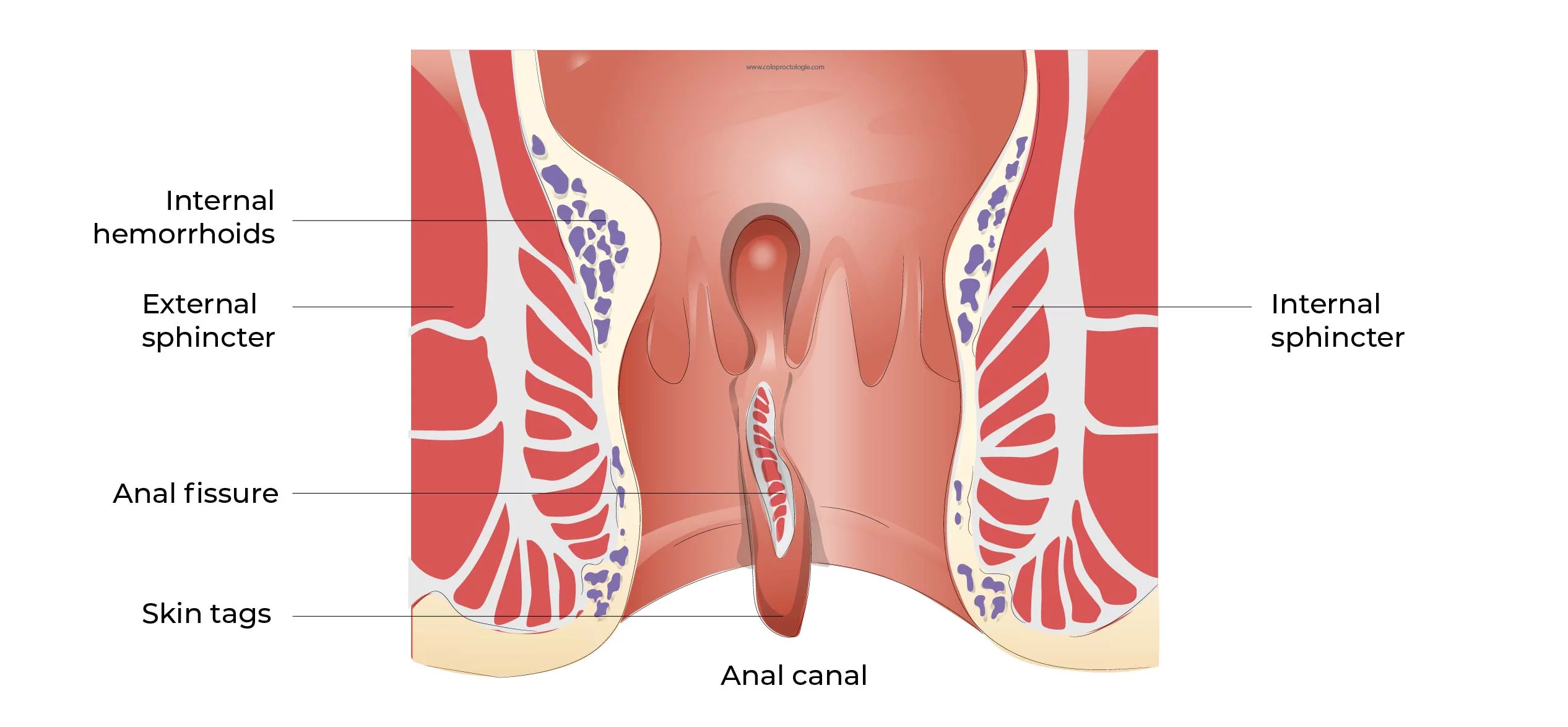
An anal fissure is a small tear or crack in the lining of the anus. It typically causes sharp pain and bleeding during and after bowel movements. While often caused by passing hard stools, fissures can affect anyone at any age and are highly treatable with proper care.
Causes
Symptoms
Treatment Options
Conservative Management
- High-fiber diet to soften stools
- Increased fluid intake (8–10 glasses daily)
- Stool softeners (over-the-counter)
- Sitz baths (warm water for 10–15 minutes after bowel movements)
- Topical medications (nitroglycerin ointment, calcium channel blockers)
- Proper hygiene after bowel movements
Surgical / Interventional Options
Laser Fissurectomy
Minimally invasive laser removal of damaged tissue
Less pain, faster recovery, low infection risk
Higher cost, potential recurrence
Lateral Internal Sphincterotomy (LIS)
Small cut in the internal sphincter to reduce spasm
High success rate, quick relief, low recurrence
Slight risk of incontinence
Fissurectomy
Surgical removal of the damaged tissue
Effective for persistent fissures
Longer healing time, scar tissue risk
Botox Injections
Temporary relaxation of the sphincter muscle
Non-invasive, minimal downtime
Temporary results, may need repeat injections
Post-Treatment Care
- Keep the wound area clean and dry
- Take pain medications as prescribed
- Maintain a high-fiber, well-hydrated diet
- Use sitz baths after each bowel movement
- Avoid heavy lifting and prolonged sitting
- Attend regular follow-up appointments
Frequently Asked Questions
Find answers to common questions about this condition
A fissure is a small tear or crack in the lining of the anus that causes pain and bleeding during bowel movements.
Common causes include hard stools, constipation, diarrhea, straining during bowel movements, and trauma to the anal area.
Symptoms include sharp pain during bowel movements, bright red bleeding, visible tear, sphincter spasms, and itching.
A doctor can diagnose a fissure through a simple physical examination of the anal area.
Treatment ranges from dietary changes, sitz baths, and topical medications to surgical options like laser fissurectomy or LIS for chronic cases.
Surgery is only recommended for chronic fissures that don't respond to conservative treatment. LIS is the most common surgical procedure.
Symptom relief typically occurs within 1–2 weeks. Full recovery takes approximately 1–1.5 months.
Yes, fissures can recur if the underlying causes like constipation and poor diet are not addressed.
Eat a high-fiber diet, stay hydrated, exercise regularly, and avoid straining during bowel movements.
No, anal fissures are not contagious. They are a mechanical injury to the anal tissue.
Fissure Patient Reviews
Real stories from patients who trusted us with their care
“The pain during bowel movements was unbearable. After treatment at Reva Surgical Hospital, I am completely pain-free. The doctor and staff were very caring.”
Suffering from Fissure? Get Expert Care Today.
Dr. Parth Prajapati · +91 90810 95640
Book Appointment →