Piles Treatment in Palanpur
Expert care by Dr. Parth Prajapati · Palanpur, Gujarat
What is Piles (Hemorrhoids)?
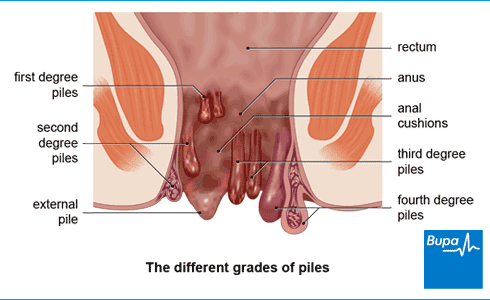
Piles (hemorrhoids) are swollen and inflamed veins in the rectum and anus that cause discomfort, bleeding, and pain. They can be internal (inside the rectum) or external (under the skin around the anus). While common, they often go untreated due to embarrassment — but effective, minimally invasive treatments are available.
Causes
Symptoms
Treatment Options
Conservative Management
- High-fiber diet (fruits, vegetables, whole grains)
- Adequate hydration (8–10 glasses of water daily)
- Over-the-counter stool softeners
- Sitz baths (warm water soaks for 10–15 minutes)
- Topical creams and ointments for pain relief
- Avoiding prolonged sitting and straining
Surgical / Interventional Options
Laser Hemorrhoidectomy
Minimally invasive laser removal of hemorrhoid tissue
Less pain, faster recovery, minimal bleeding
Higher cost, limited availability
Stapled Hemorrhoidopexy
Circular stapler repositions prolapsed hemorrhoid tissue
Less post-operative pain, quicker return to work
Higher recurrence rate for some grades
Rubber Band Ligation
Elastic band cuts off blood supply to the hemorrhoid
Office-based, no anesthesia needed
Only for internal hemorrhoids, may need repeat
Post-Treatment Care
- Keep the surgical area clean and dry
- Take prescribed pain medications as directed
- Follow a high-fiber diet to ensure soft stools
- Use sitz baths after each bowel movement
- Avoid heavy lifting for 2–4 weeks
- Attend all follow-up appointments
Frequently Asked Questions
Find answers to common questions about this condition
Piles (hemorrhoids) are swollen veins in the rectal and anal area. They can cause pain, bleeding, and itching. They are very common and treatable.
Common causes include chronic constipation, straining during bowel movements, a low-fiber diet, obesity, pregnancy, and prolonged sitting.
Symptoms include rectal bleeding, pain, swelling around the anus, itching, and mucus discharge.
A doctor can diagnose piles through a physical examination. In some cases, a digital rectal exam or proctoscopy may be needed.
No. Mild cases respond well to dietary changes, medications, and lifestyle modifications. Surgery is recommended for severe or recurring cases.
Most patients experience relief within 1–2 weeks. Full recovery typically takes 3–4 weeks depending on the procedure.
Recurrence is possible if the underlying causes (constipation, poor diet) are not addressed. Lifestyle changes significantly reduce recurrence risk.
Eat a high-fiber diet, drink plenty of water, exercise regularly, avoid prolonged sitting, and don't strain during bowel movements.
Piles are rarely dangerous but can significantly affect quality of life. In rare cases, chronic bleeding may lead to anemia.
Laser treatment is minimally invasive with significantly less pain compared to traditional surgery. Most patients report only mild discomfort.
Piles Patient Reviews
Real stories from patients who trusted us with their care
“I was suffering from piles for over 5 years. Dr. Parth Prajapati performed the laser surgery and I was back to normal within a week. Highly recommended!”